Artificial Coral & Reef Supply
Custom artificial coral and reef structures for aquarium, oceanarium and marine attraction projects. Colour-stable, fish-safe, and coordinated with the acrylic panel and installation schedule.
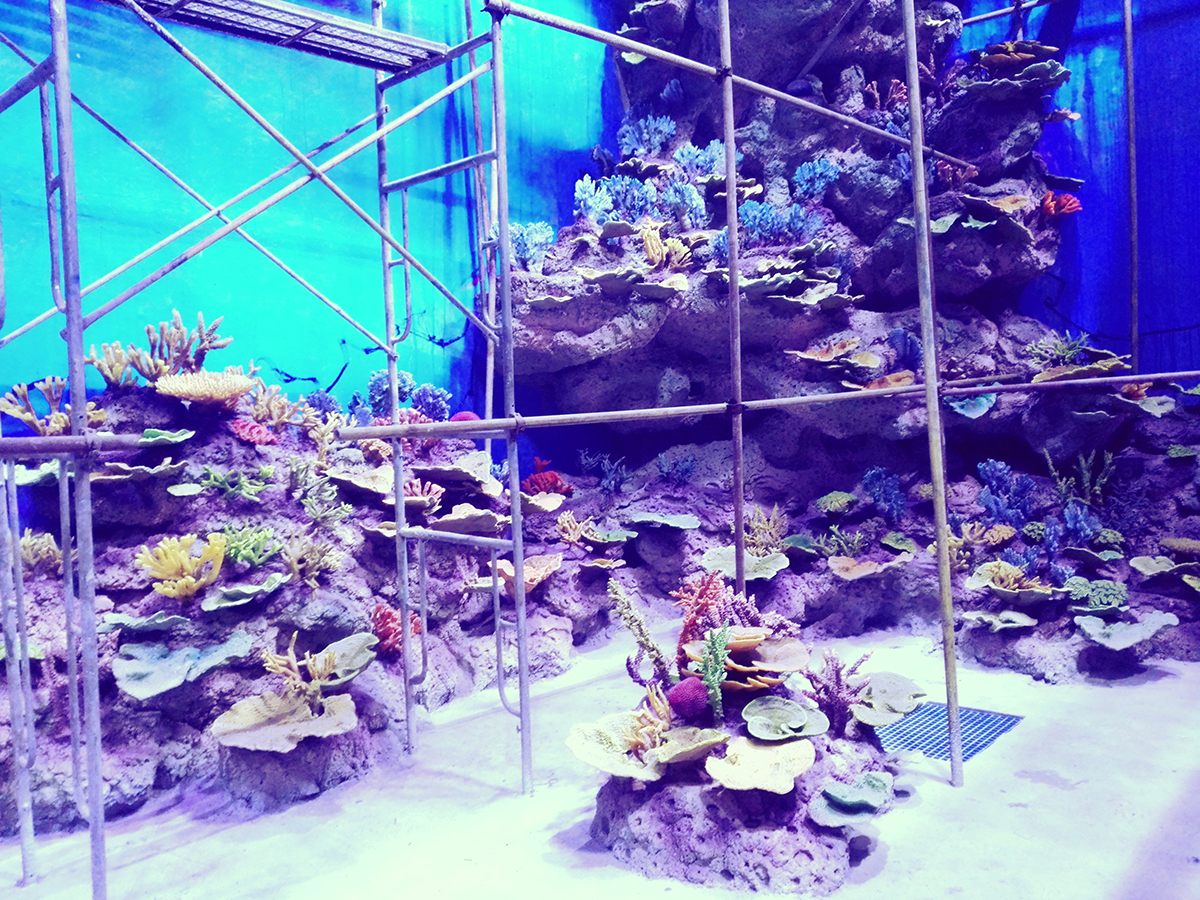
Installation in progress — public aquarium project. Scaffolding visible; reef structure and coral placement prior to water fill.
Three supply types — used alone or combined
Most projects use a combination of soft coral, reef rock, and mixed installations. Scope is confirmed against the tank layout and acrylic panel positions before fabrication.
Artificial soft coral — multiple species
Colour-stable under aquarium lighting. Fish-safe surface finish — no sharp edges, no colour bleed into water. Available in a wide range of species forms and colour combinations to match exhibit design intent.
- Does not fade under UV aquarium lighting
- Impact-resistant — does not shatter or crack
- Fish-safe — no harmful surface treatments
- Custom colour matching available
Reef rock structures & base formations
Structural base formations for reef exhibits. Designed to support coral placement loads and integrate with tank floor and wall anchoring points. Surface texture replicates natural reef rock appearance under water.
- Structural load capacity confirmed per installation
- Anchoring method coordinated with tank structure
- Surface texture matched to exhibit design
- Modular — can be assembled in tank sequence
Combined coral & reef packages
Full reef environment supply — coral species, reef rock base, and secondary theming elements supplied and installed as a coordinated package. Installation sequence planned around acrylic panel schedule and tank fill timeline.
- Design layout provided before fabrication
- Installation coordinated with panel and LSS schedule
- Multiple coral species in one installation
- Supplied to public aquariums, oceanariums, theme parks
What the material needs to do in an aquarium environment
Artificial coral in a live exhibit is exposed to continuous water immersion, aquarium lighting, fish contact, and maintenance cleaning. These are the properties that matter.
| Property | Requirement | Why it matters |
|---|---|---|
| Colour stability | No fading under continuous aquarium lighting | Exhibit appearance degrades if coral colours shift within 1–2 years |
| Fish-safe surface | No sharp edges, no colour bleed, no toxic surface treatment | Direct contact with live fish and invertebrates in most installations |
| Impact resistance | Does not shatter or crack under handling or maintenance | Maintenance teams handle coral during cleaning; fragile pieces create replacement cycles |
| Water immersion | No degradation, no leaching under permanent immersion | Continuous immersion for the exhibit lifetime — typically 10+ years |
| Anchoring | Compatible with standard tank anchoring methods | Coral movement in water flow affects exhibit appearance; secure fixing required |
On one public oceanarium project, the original coral specification used a lower-cost alternative with standard paint finish. Within 18 months, colour bleed was visible in the water and several pieces had surface cracking at contact points. The replacement scope — re-fabrication and re-installation — cost more than the original supply. Colour-stable, fish-safe material specification is not a premium option; it is the baseline for a permanent installation.
Design, fabrication, and installation — coordinated with the project schedule
Coral installation happens after acrylic panels are fitted and before water fill. Coordination with the panel installation team and LSS schedule is required — not optional.
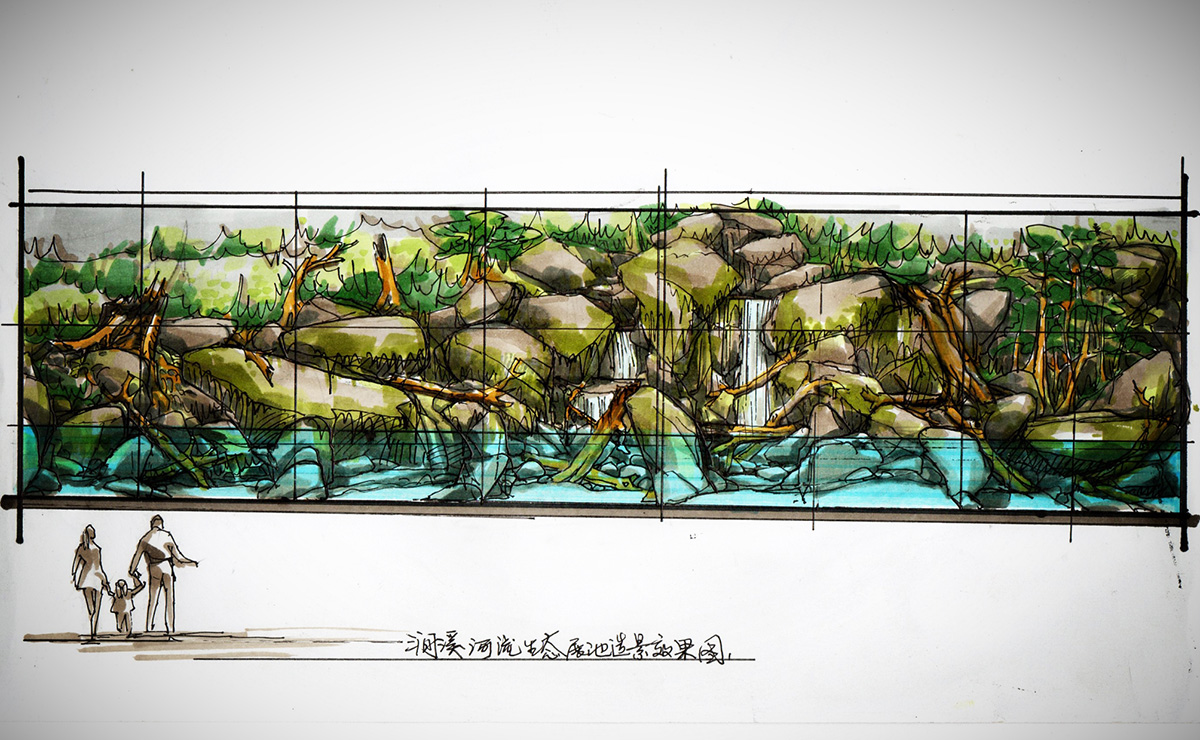
Coral species, placement positions, and reef rock base layout confirmed against tank drawings before fabrication starts.
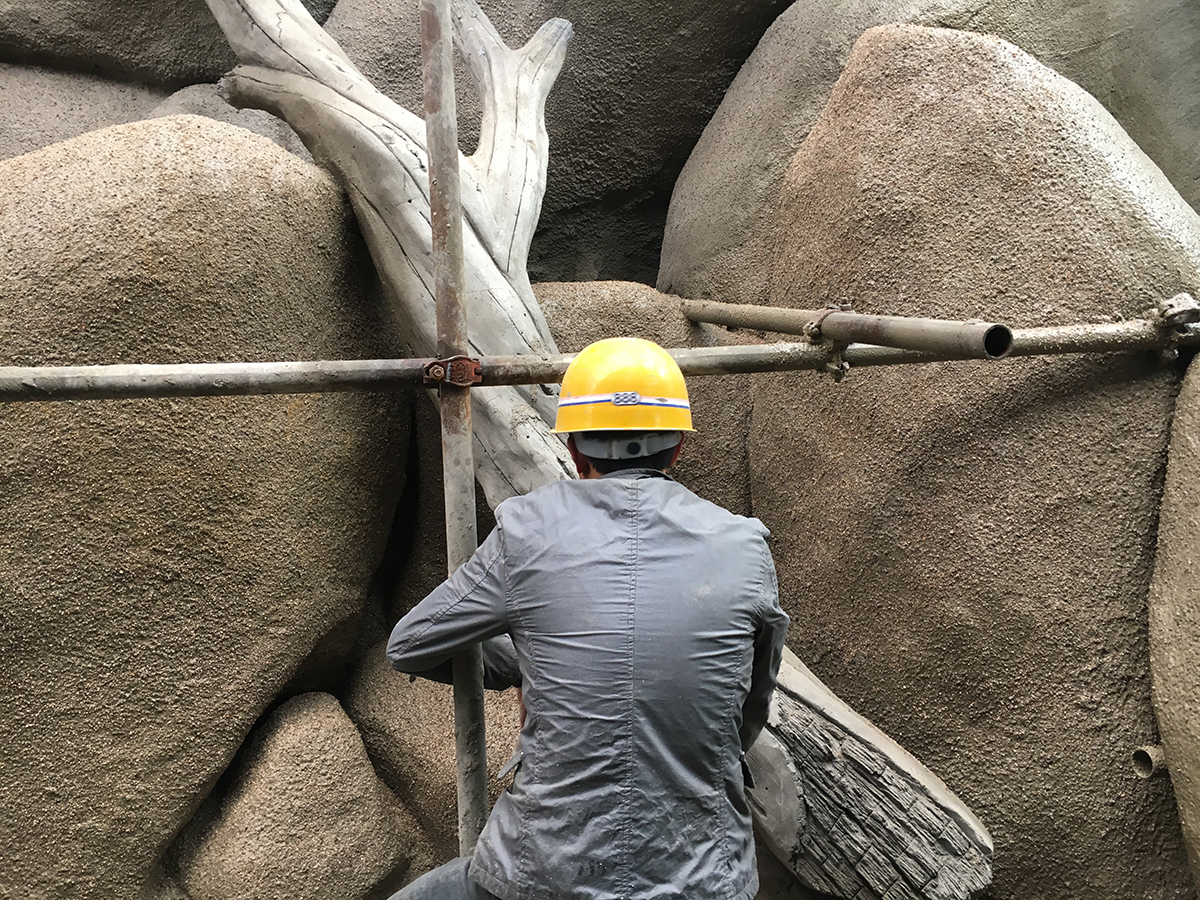
Reef rock base installed first; coral species placed and anchored in sequence. Scaffolding removed before water fill.
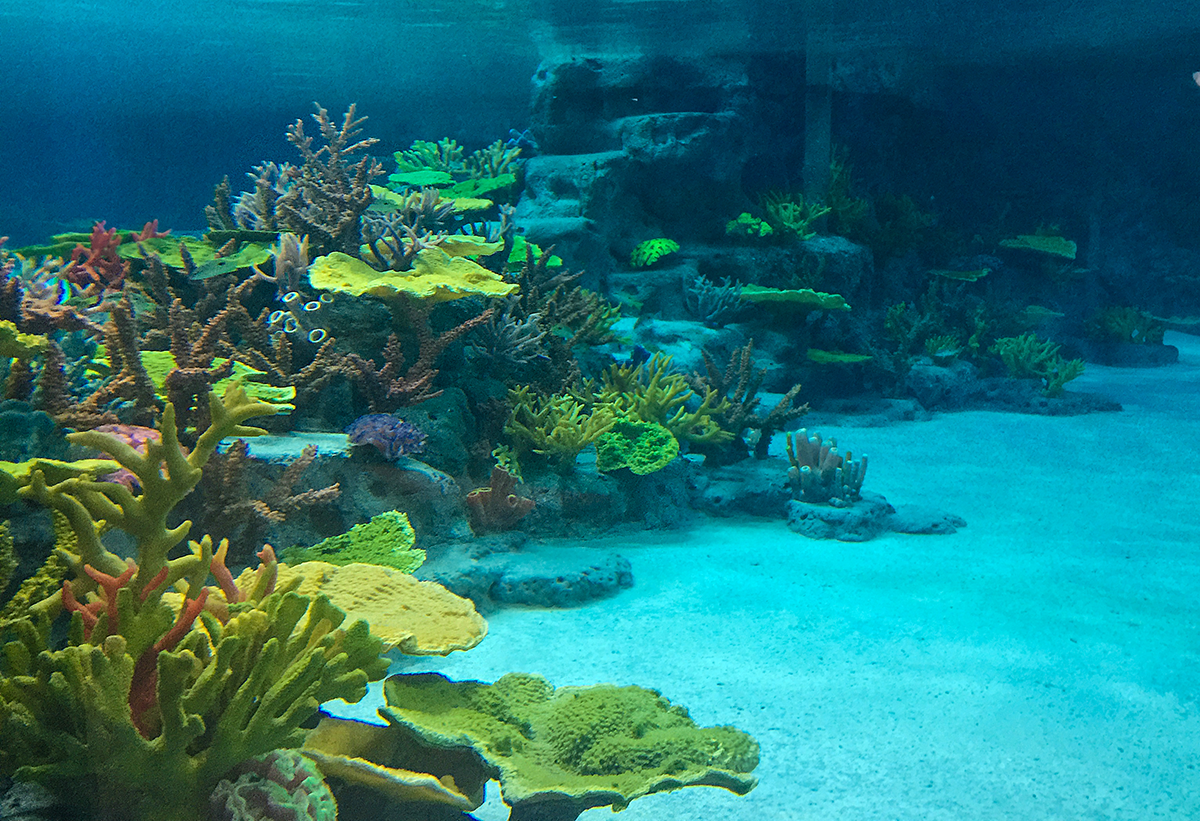
Finished reef environment after water fill. Coral placement and rock structure remain stable under water flow.
Where artificial coral and reef supply is used
Supply scope varies by project type. Public oceanariums require full-coverage reef environments; commercial aquariums typically use smaller installations focused on the primary viewing panel area.
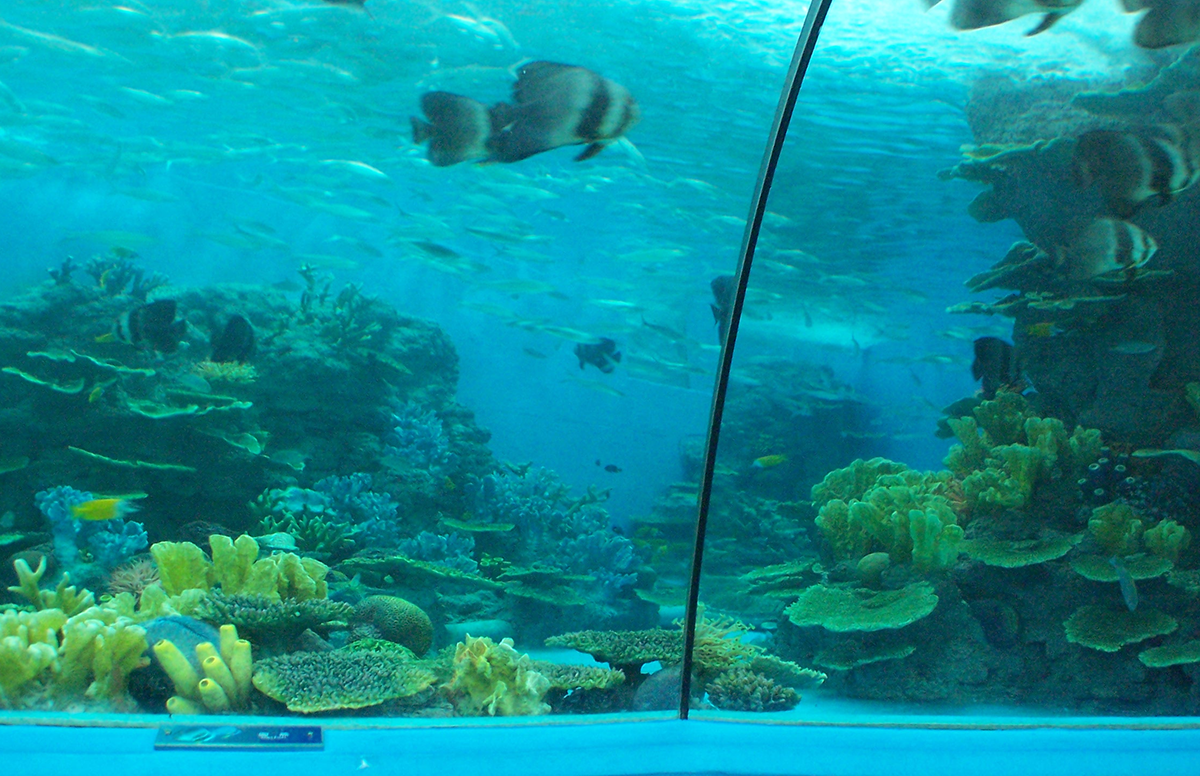
Public aquarium & oceanarium
Public aquarium artificial coral projects often require large-scale reef environments covering full tank backgrounds. Oceanarium artificial coral scope is usually similar, with larger coverage areas and more coordination. Multiple coral species, reef rock base, and secondary theming elements. Supply coordinated with acrylic tunnel and panel installation schedule.
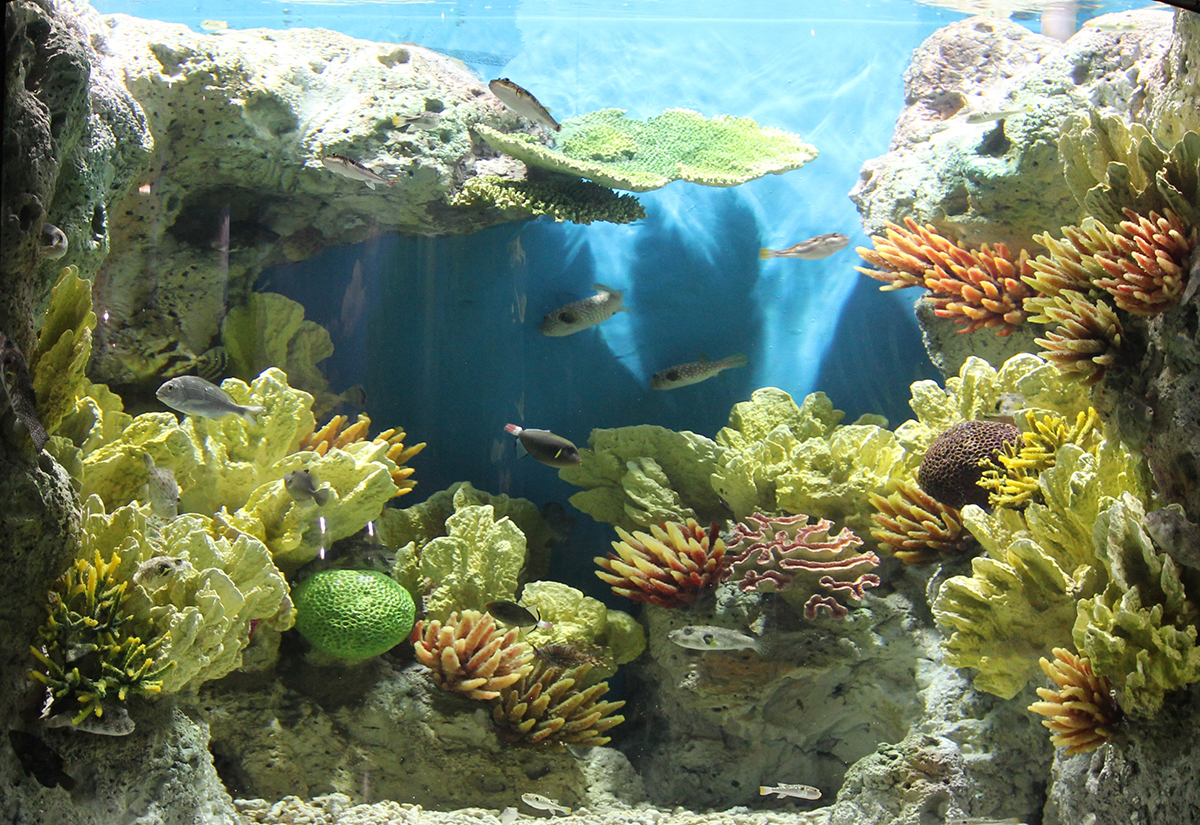
Commercial aquarium & display tank
Commercial aquarium artificial coral and reef elements for hotel lobby tanks, restaurant aquariums, and commercial display installations. Smaller installation scope; coral placement focused on the primary viewing panel area. PG Acrylic supplied aquascaping elements for The View Hospital aquariums in Doha, with on-site integration handled by MAT.
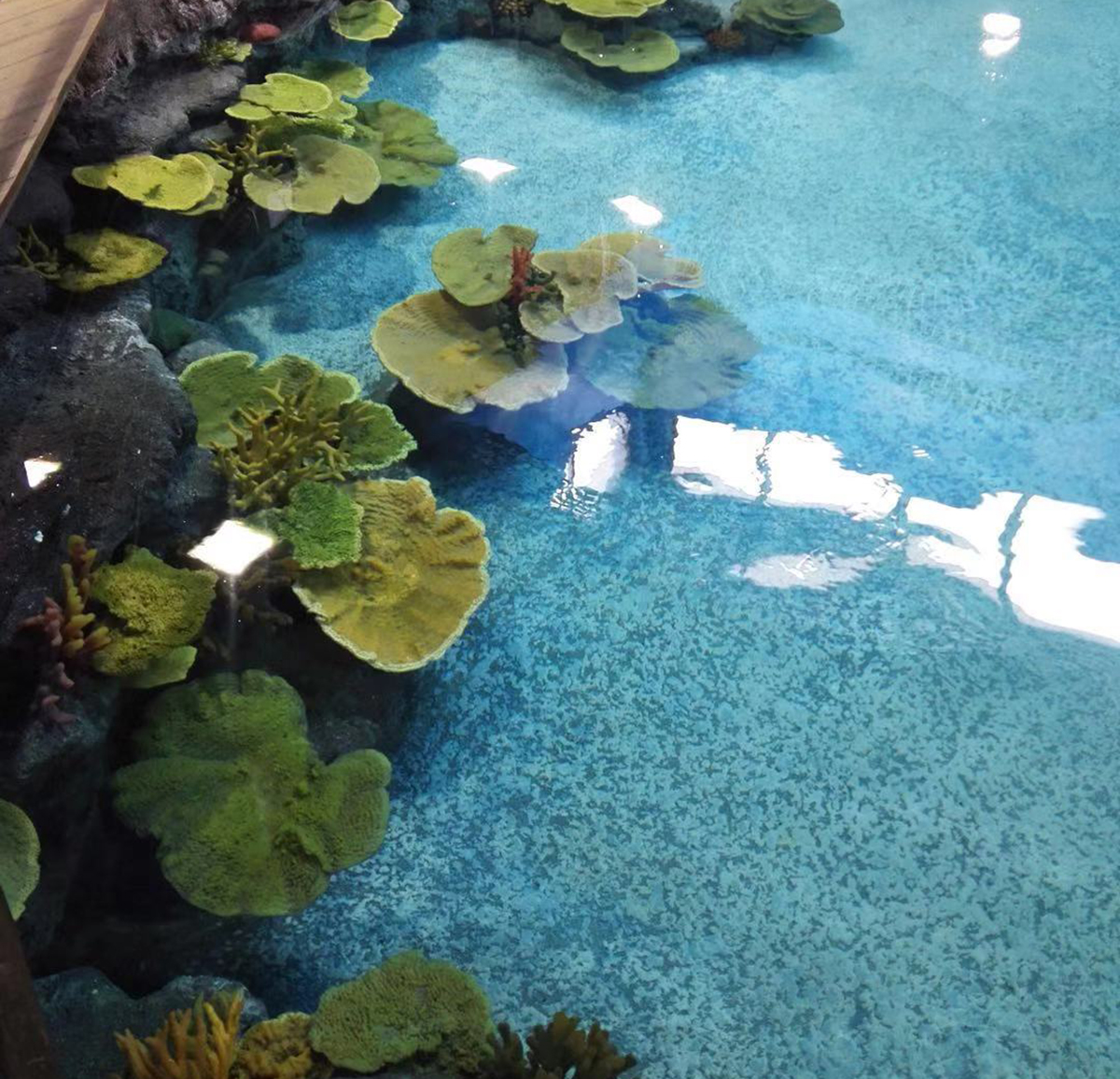
Marine attraction & theme park
Coral and reef supply for themed marine attractions, indoor ocean exhibits, and theme park aquarium features. Full installation scope including theming coordination with the wider exhibit design.
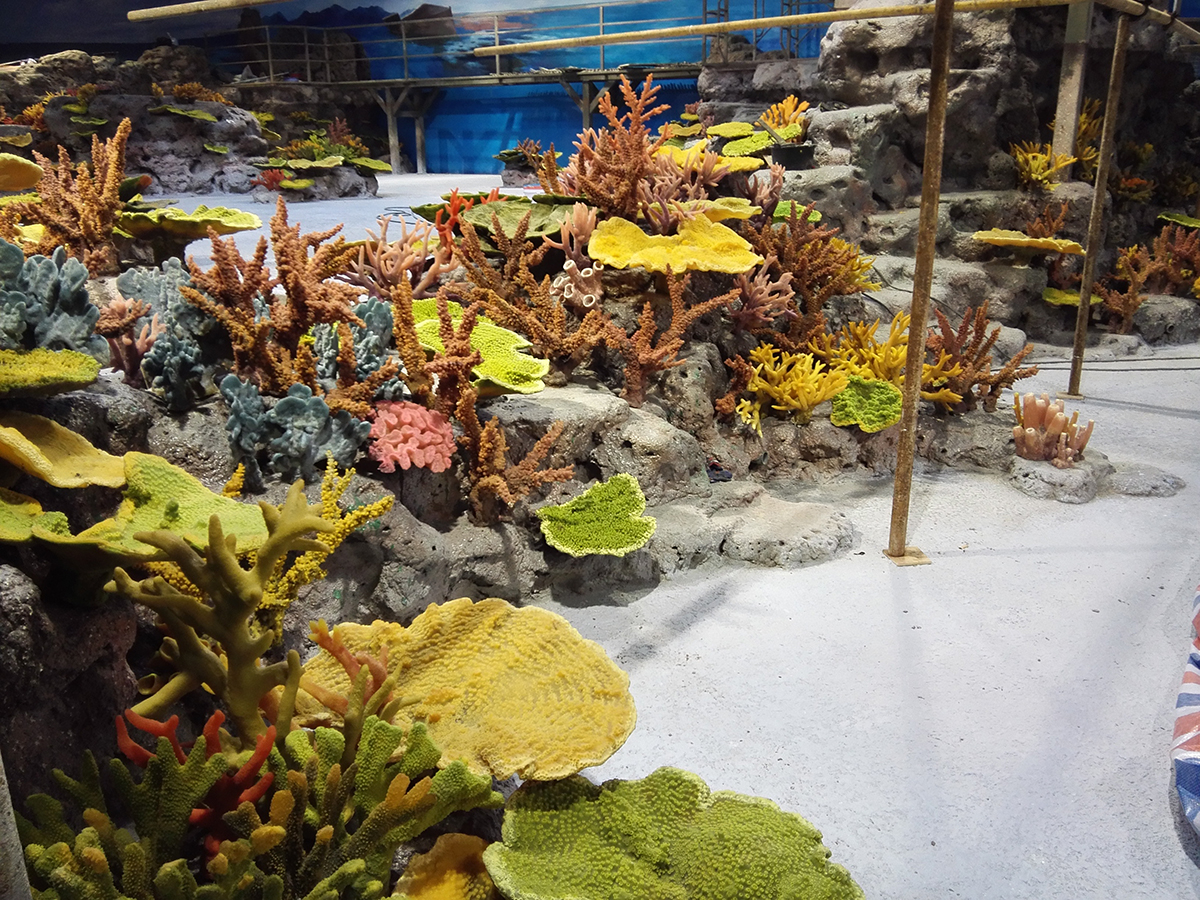
Renovation & exhibit upgrade
Replacement coral and reef elements for existing exhibits where original materials have degraded. New coral matched to existing species and colour palette where possible; full replacement scope also available.
Acrylic panels and coral — supplied together
Most aquarium projects need both acrylic viewing panels and coral reef theming. Supplying both from one source reduces coordination gaps between the panel installation and coral placement sequence.
What gets coordinated when both are supplied together
- Panel seal completion confirmed before coral access to tank interior
- Coral anchoring positions confirmed against panel frame locations
- Installation sequence — panels, coral, water fill — planned in one programme
- Single point of contact for fabrication drawings and delivery scheduling
- Coral placement design reviewed against panel viewing angle
Coral supply to projects using other panel suppliers
Coral and reef supply is available as a standalone scope where acrylic panels are already specified or sourced separately. Installation coordination with the panel contractor is required — we can work directly with the site team or EPC coordinator.
Confirm: panel installation completion date, tank access schedule, and water fill target date before coral fabrication starts.
What project teams usually ask first
How long does artificial coral last in a live aquarium environment?
With correct material specification — colour-stable pigments, fish-safe surface finish, proper anchoring — artificial coral in a permanently immersed environment typically lasts 10+ years without visible degradation. The main failure modes are colour fading (from incorrect pigment selection), surface cracking (from brittle materials or impact), and anchor failure (from inadequate fixing method). These are specification issues, not product lifespan issues.
Can coral be installed after the acrylic panels are sealed?
No. Access to the tank interior is not possible after viewing panels are permanently sealed. The correct installation sequence is: acrylic panels fitted and sealed → coral and reef structures installed → water fill. This sequence needs to be confirmed in the project programme before fabrication of either the panels or the coral begins.
Can you match coral species and colours to a specific design intent?
Yes. Coral species forms and colour combinations are confirmed against the exhibit design layout before fabrication. A design layout drawing showing coral placement positions, species mix, and colour palette is produced and reviewed before production starts. Changes after fabrication begins are not possible without affecting the delivery schedule.
What information is needed to start a coral supply enquiry?
Tank dimensions and floor plan, acrylic panel positions and viewing angles, target coral coverage area, installation access conditions (top-fill or front-access), and project timeline including panel installation completion and water fill date. A concept design reference or species mood board is helpful but not required to start the evaluation.
Is installation included in the supply scope?
Installation can be included or excluded depending on the project. For projects outside China, coral is typically supplied with detailed installation guidance and coordination support; local installation is carried out by the site team or EPC contractor. For projects where on-site installation support is required, confirm this requirement at the enquiry stage.